

Structural Health Monitoring
SIMORGH advances Structural Health Monitoring (SHM) with high-precision sensing and real time analytics, delivering continuous insight into structural performance and early damage detection.
Read more →

Microseismic Monitoring
SIMORGH elevates microseismic (MSeis) monitoring with real time, high accuracy event detection and localization, providing actionable intelligence for safer and more informed operations.
Read more →
Seismic Imaging
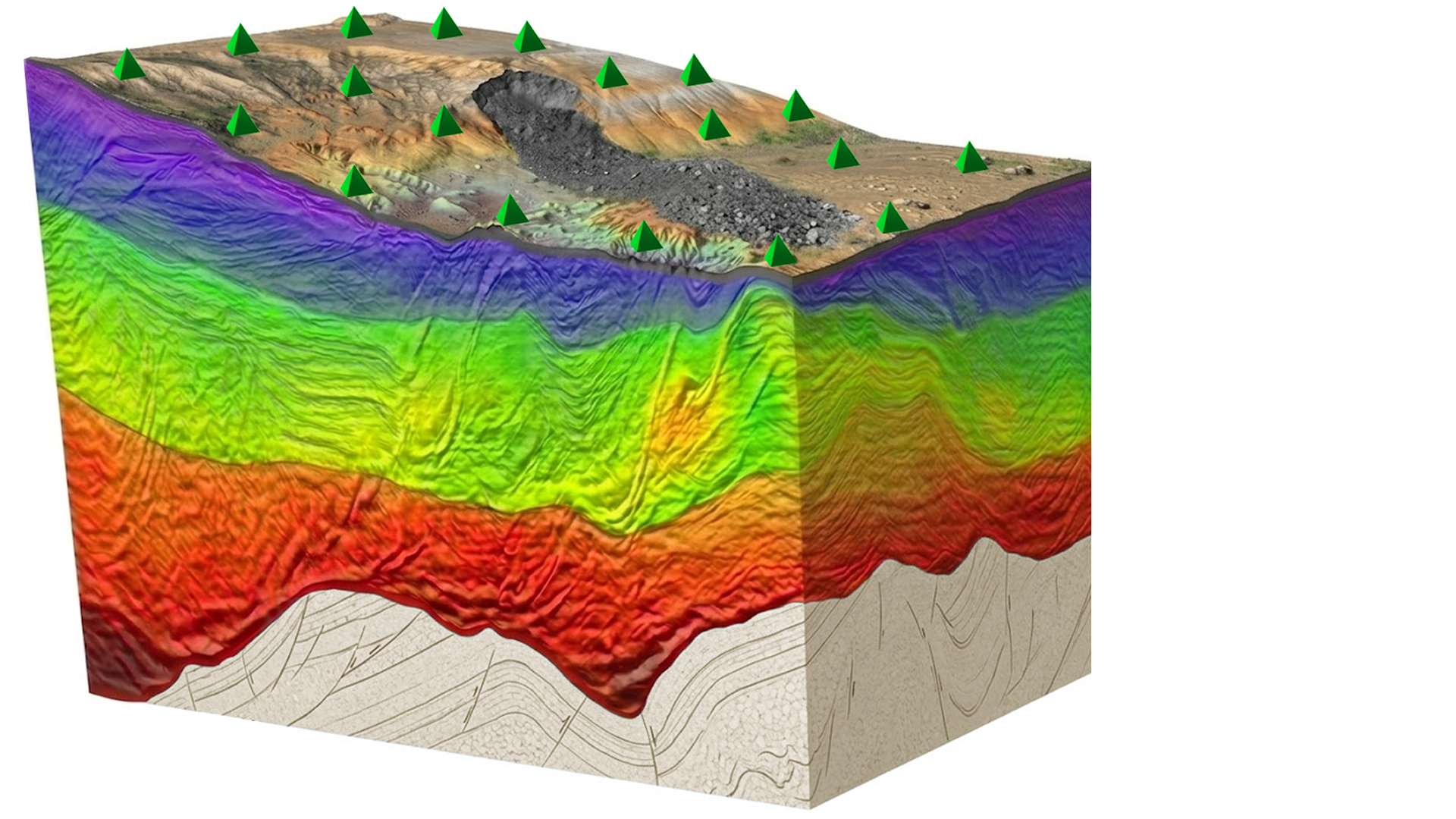
SIMORGH combines passive and active seismic methods to map subsurface structure, from near-surface velocity to deeper crustal features, for site characterization and exploration.
Read more →
Non-Destructive Testing
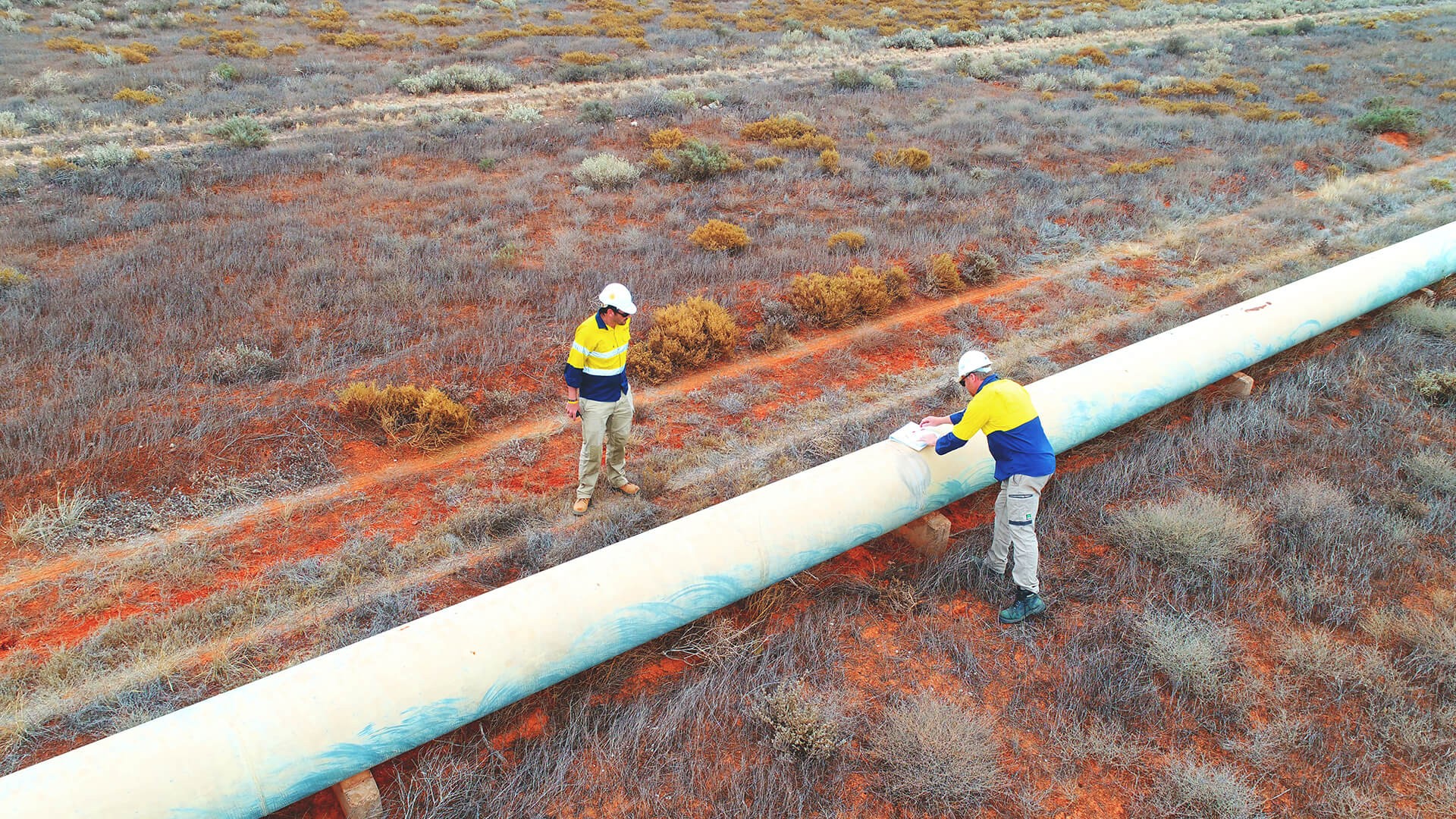
SIMORGH enhances Non-Destructive Testing (NDT) through real time, high resolution detection of material degradation, enabling accurate structural assessment before visible failure occurs.
Read more →
Structural Health Monitoring
SIMORGH brings high-precision, real-time analytics to Structural Health Monitoring (SHM), detecting structural cracks across scales from millimeters to centimeters. This range allows it to pick up early, small-scale changes that traditional inspection methods often miss, long before they develop into serious structural concerns.
This makes SIMORGH especially valuable in demanding environments like civil engineering and transportation infrastructure, where structures are exposed to constant load, vibration, and environmental stress, and where early detection of small-scale damage can prevent large-scale failure down the line.
By replacing periodic, manual inspection with continuous, automated monitoring, SIMORGH gives engineers a clearer and earlier picture of structural condition at all times, not just at scheduled inspection intervals. This shift enables more targeted maintenance planning, reduces unnecessary interventions, and reinforces safety across bridges, tunnels, buildings, and other critical structures throughout their operational lifetime.
Microseismic Monitoring
SIMORGH provides a cloud-native SaaS platform for real-time and near-real-time microseismic monitoring and geomechanical and structural interpretation, processing both seismic and acoustic emission (AE) data to transform continuous recordings into actionable intelligence without requiring users to manage complex processing infrastructure.
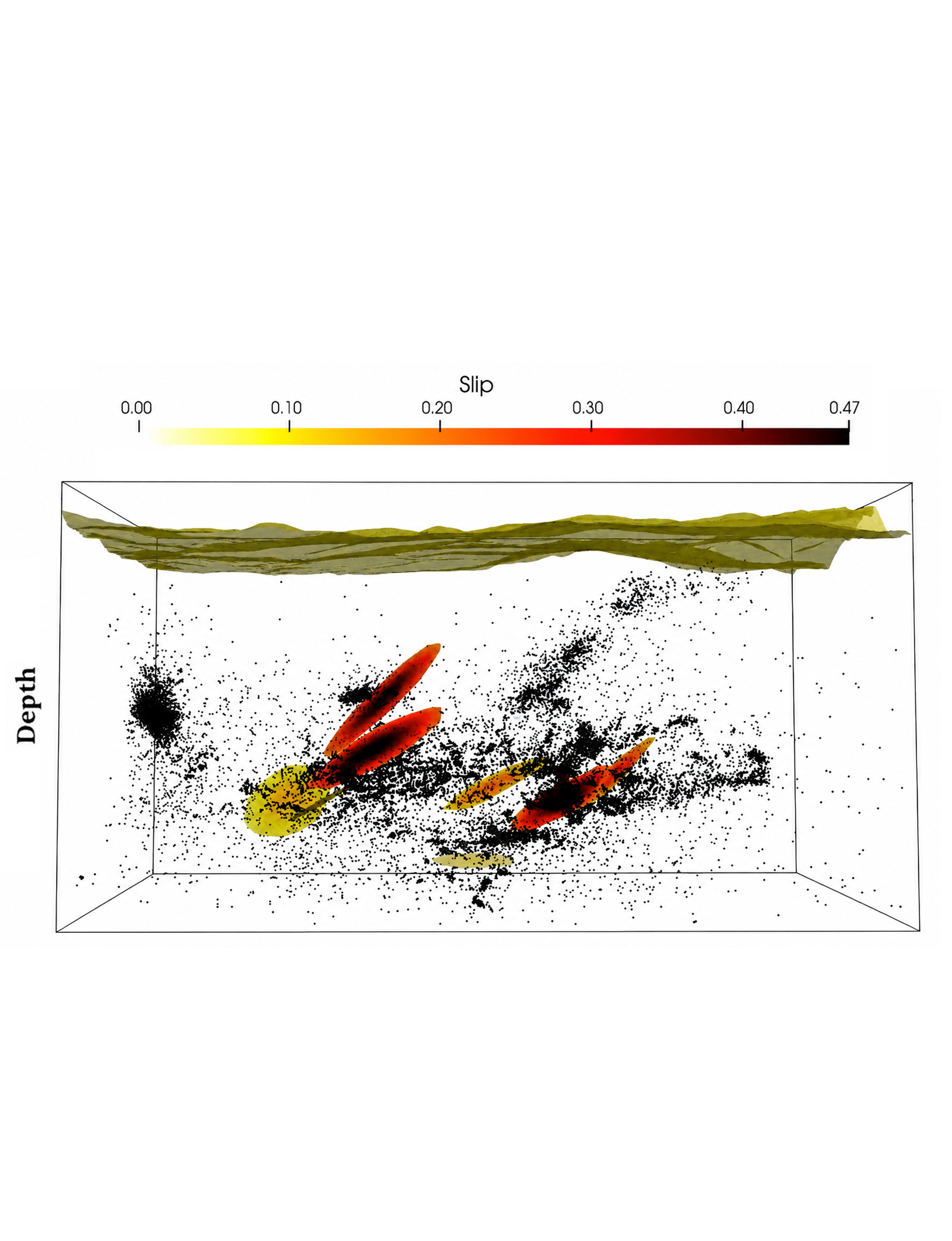
At the core of the service is a continuously updated events catalog, delivering automated detection, high-precision multiscale location, magnitude estimation, and source mechanism characterization (focal mechanism and moment tensor inversion) for every recorded event. Building on this catalog, SIMORGH can perform rupture inversion to resolve slip distribution and rupture evolution on activated structures, and seismic/AE tomography to image and track time-lapse (4D) changes in subsurface velocity, damage zones, and fracture networks as operations progress.
By integrating multi-physics data with automated quality control, scalable cloud computing, intuitive visualization, and real-time analytics, SIMORGH supports applications across different project scales: underground and open-pit mining, structural health monitoring (SHM) of tunnels, dams, bridges, and other critical infrastructure, natural slope and landslide monitoring, geothermal reservoirs, oil and gas operations, carbon capture and storage (CCS), and hydraulic stimulation operations.
This can be delivered as a long-term, continuous monitoring service: sites remain under sustained observation for the life of the operation, with outputs accessible at any time through the SaaS platform.
Explore the platform → | Contact us →

Kinematic Rupture Inversion
SIMORGH reconstructs the spatial and temporal evolution of earthquake rupture across the fault plane, estimating slip distribution, rupture propagation, rupture velocity, rise time, rake, and seismic moment release. Going beyond conventional moment-tensor solutions, the analysis combines advanced finite-fault inversion and rupture-imaging techniques with complementary back-projection analysis to identify rupture directivity, high-slip and high-radiation regions, and source complexity. Results are presented through an intuitive interface with slip maps, rupture-propagation animations, source-time histories, and, where appropriate, derived PGA/PGV fields from the reconstructed source mechanism, providing a quantitative view of how the earthquake ruptured and produced spatially variable ground motion.
Reliable rupture reconstruction requires well-distributed seismic networks, high-quality waveforms, an appropriate velocity model, and well-constrained event location and source mechanism. SIMORGH integrates observations from local, regional, and, where appropriate, teleseismic distances to constrain the rupture process. The resulting models support fault and fracture characterization, strong-motion validation, seismic hazard and induced-seismicity assessment, geomechanical modelling, and infrastructure resilience evaluation across mining, energy, geothermal, CCUS, and other geostructural applications.
Contact us →
Passive Seismic Imaging
SIMORGH's passive seismic techniques, including HVSR (Horizontal-to-Vertical Spectral Ratio), SPAC (Spatial Autocorrelation), FK (frequency-wavenumber) analysis, and ambient noise tomography, image the subsurface using existing environmental and human-generated noise as their source. Rather than requiring dedicated equipment to generate seismic waves, these methods record and process ambient vibrations, from wind, traffic, industrial activity, and natural seismicity, that constantly travel through the ground.
This makes passive seismic particularly suited to large-area surveys, sensitive environments, and hard-to-access sites, since deployment relies on lightweight, easy-to-install sensors rather than dedicated sources. The method resolves bedrock depth, basin geometry, regolith thickness, and geological structures, and can extend to significant depths at lower cost than comparable active methods.
Borehole data, where available, can be used to constrain the resulting quantitative geo-models, anchoring the geological layers to known ground truth and extending their reliability between and beyond the boreholes themselves.
Passive seismic supports geotechnical site investigations, mining exploration, bedrock and basin mapping, groundwater studies, geothermal projects, gas geological storage (CO₂, H₂), tailings dam assessment, and landslide monitoring.
Contact us →

Active Seismic Imaging
SIMORGH's active seismic methods use a controlled source, such as a hammer blow or weight drop, to generate seismic waves that are recorded by an array of surface sensors. Unlike passive techniques, which rely on ambient noise, active methods produce a known signal at a known location and time, allowing precise, high-resolution characterization of the near-surface, typically to depths of a few tens of meters.
By analyzing how these waves travel through the subsurface layers, active seismic resolves depth to bedrock, a critical parameter for foundation stability and excavation cost estimates. It also produces shear-wave velocity profiles used for seismic hazard determination and geotechnical site assessment for infrastructure and building construction. Beyond these standard engineering parameters, active seismic is widely used for mapping anomalous geologic conditions, including weak zones, voids, and fault or fracture detection, as well as delineating the water table and constraining hydrogeological models.
Borehole data, where available, can be used to constrain the resulting quantitative geo-models, anchoring the geological layers to known ground truth and extending their reliability between and beyond the boreholes themselves.
Active seismic supports geotechnical site investigations, foundation design, seismic hazard and site classification, groundwater studies, and fault, void, and sinkhole detection.
Contact us →

Non-Destructive Testing
SIMORGH enables real-time, precise Non-Destructive Testing (NDT) of a wide range of materials, supporting accurate structural health assessments without interrupting operations or damaging the material under inspection.
Its algorithm detects fractures and damage across scales from micrometers to several meters, giving inspectors a reliable, high-resolution tool for identifying issues early. This capability supports maintenance and development work across sectors such as energy, infrastructure, and aerospace, where undetected small-scale damage can carry significant safety and cost implications.
By handling a variety of data formats and adapting to medium heterogeneity, SIMORGH fits naturally into existing inspection workflows rather than requiring specialized new processes. This flexibility allows for more streamlined, accurate monitoring, improved maintenance procedures, and stronger safety outcomes. SIMORGH is a valuable technology for the NDT community, strengthening the reliability and effectiveness of structural health evaluations across a broad range of applications.
Network Design
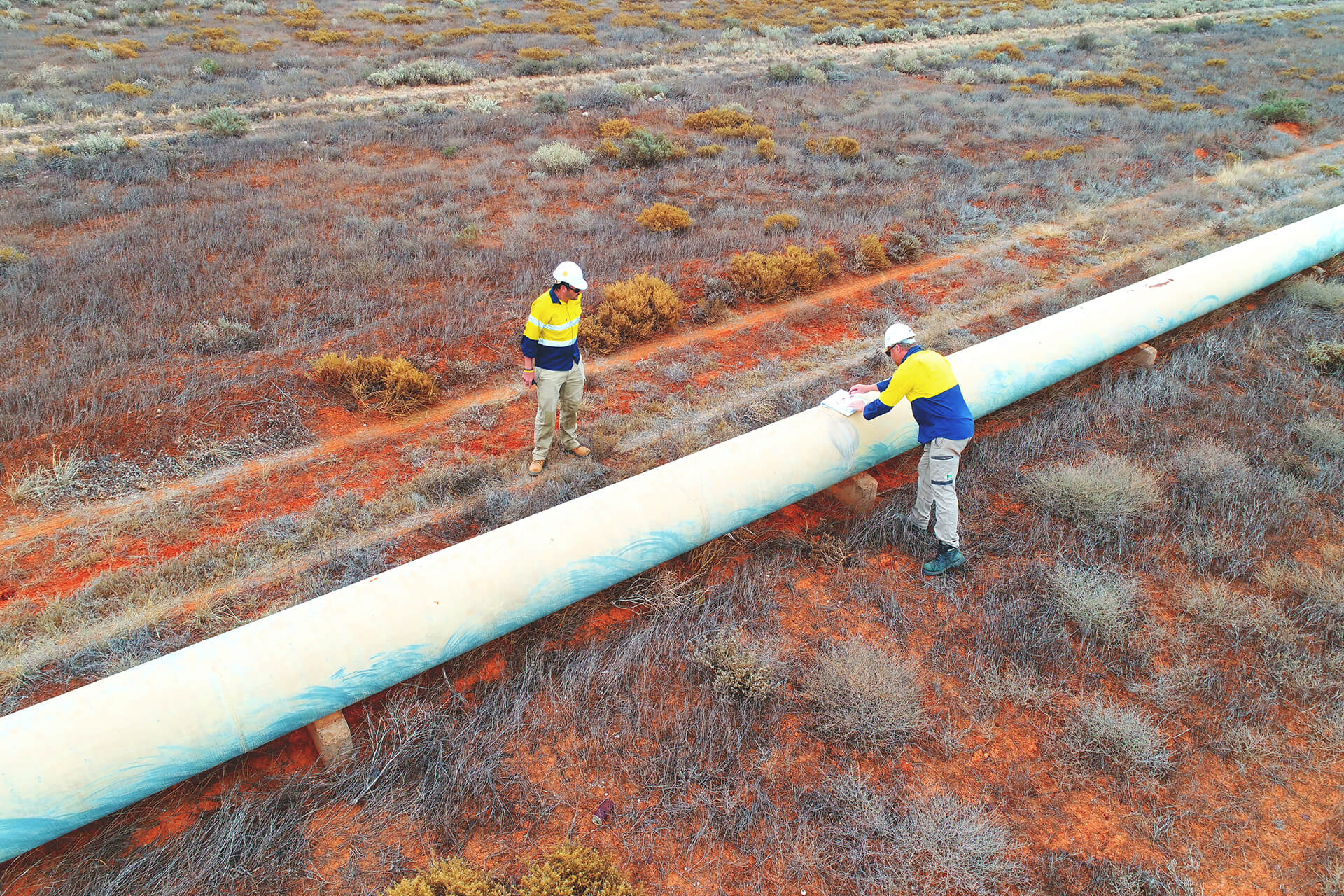
Every successful monitoring or imaging project begins with a well-designed sensor network. We develop tailored network designs that maximize data quality, coverage, and reliability while optimizing deployment costs and operational efficiency.
Our designs consider project objectives, site geometry, expected signal characteristics, environmental noise, and subsurface conditions, together with practical constraints such as site accessibility, terrain, infrastructure, power availability, and communication requirements. We evaluate a wide range of sensors including geophones, accelerometers, seismometers, acoustic emission sensors, strain sensors, and other specialized instrumentation to recommend the most suitable array geometry, network density, and installation approach for each application.
Whether deploying a new system or expanding an existing network, we develop practical solutions for challenging field conditions and optimize network performance to ensure the highest value from every sensor.

Data Acquisition
High-quality analysis begins with high-quality data. We design acquisition strategies for seismic imaging, microseismic monitoring, structural health monitoring (SHM), and non-destructive testing (NDT), ensuring that every survey or monitoring campaign is configured to meet its technical and operational objectives.
Our acquisition strategies integrate the selected sensors with optimized acquisition parameters, including sampling frequency, recording modes, synchronization, triggering strategies, and data management workflows. We account for site-specific challenges such as restricted access, difficult terrain, operating environments, available infrastructure, and logistical constraints, developing acquisition solutions that remain practical, efficient, and reliable under real-world conditions.
By combining the right sensors, installation methods, and acquisition workflows, we ensure robust datasets that provide the foundation for accurate processing, interpretation, and confident decision-making.
Full service
Complete Monitoring Solutions: From Concept to Continuous Operation. Our team covers the entire monitoring lifecycle, from feasibility assessment to long term data interpretation, available standalone or bundled with platform subscriptions.
01. Network Design & Optimization
Right sensors, right locations. We analyze site geometry, source mechanisms, and noise environment to guide sensor selection and array design, recommending array geometry and channel count, including sensitivity analysis for existing installations.
02. Data Acquisition Strategy
We define sampling rates, trigger thresholds, pre event buffers, and recording formats to balance data completeness against storage and processing costs.
03. Data Handling & Processing
Full setup handled: data ingestion, velocity models, processing parameters, alert thresholds, and dashboard customization. Connect your sensors and you're live.
04. Interpretation & Reporting
Regular reports (Daily, weekly to quarterly) with plain language summaries, anomaly highlights, and recommended actions. Available on subscription or on demand.
05. Training & Knowledge Transfer
On site workshops, webinars, and certification programs so your team can operate independently and interpret results with confidence.
06. Performance & Continuous Improvement
Ongoing review of detection completeness, location accuracy, and alert latency, with quantified recommendations for array expansion or algorithm updates.
